




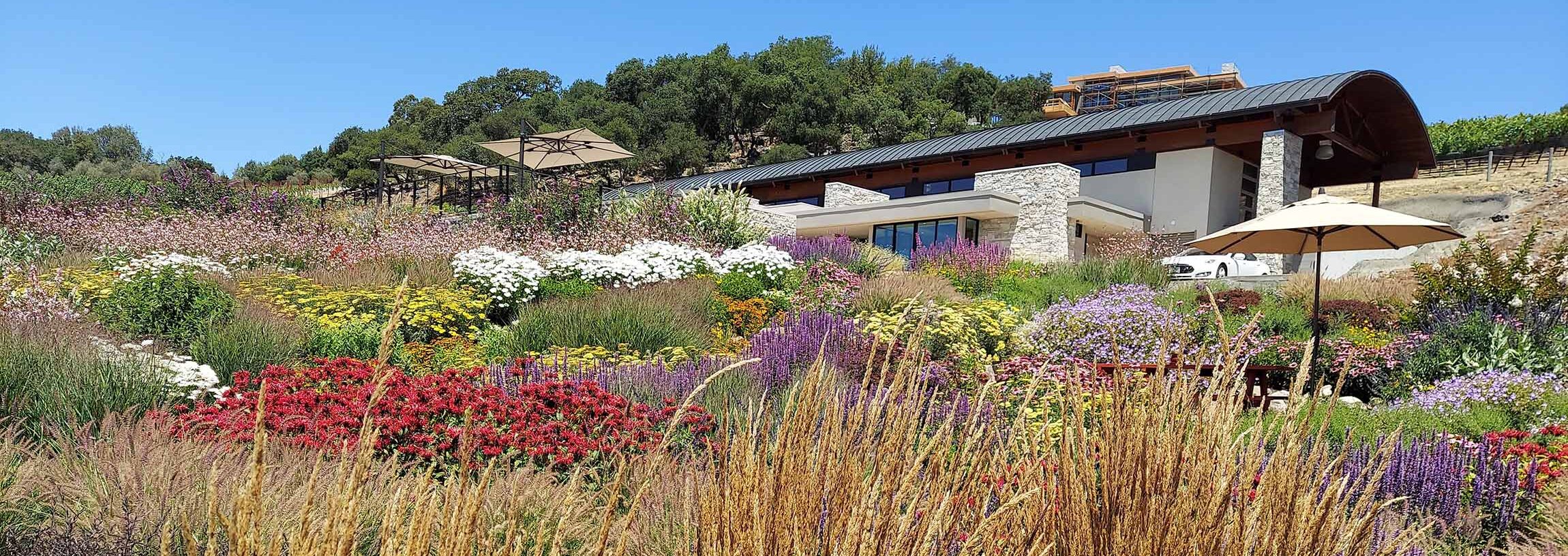
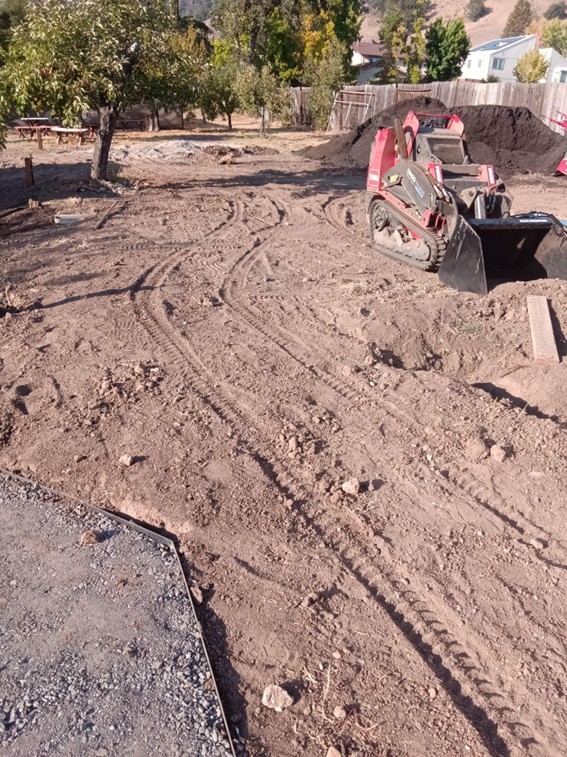
Sustainable Landscape Practices: Demolition and Removal in Sonoma County
Welcome to our ‘Sustainable Landscape Practices in Sonoma County’ series where we will explore how to utilize sustainable practices in every step of your landscape construction or renovation project, and maintenance duties. Our team at Inspired Landscapes are always seeking fun and creative solutions to maximize sustainability and will be sharing our inside take on how we think about our impacts on the environment and protect it for future generations.
In this blog we will explore the first phase of installation and renovations projects; clearing and preparing the site for the new landscape.
KEY POINTS
- Selecting what to remove and how that impacts sustainability.
- Selecting which hardscapes to remove and how that impacts sustainability.
- Which equipment or techniques are most sustainable.
- Choosing where to dispose of debris in a sustainable manner.
WHAT PARTS OF THE LANDSCAPE SHOULD I REMOVE AND HOW DOES THAT IMPACT SUSTAINABILITY?
When choosing which landscape elements to remove, we need to consider what our goals are in their removal, and how impactful removing it may be, and if it is a fair trade off. Questions to ask would be
1. Is this removal going to require a lot of equipment and man power?
Issue: Labor intensive work, especially that which requires heavy equipment decreases our level of sustainability. Equipment uses power, often gasoline or diesel which release fossil fuel, even battery powered equipment requires significant resources to be expended.
Resolution: Consider keeping large plants when they can fit in the new landscape. If there is an existing patio that you want to replace, can it be repurposed or resurfaced rather than completely removed? The equipment we use to remove things definitely has a big impact on sustainability, imagine using a huge wood chipper or chainsaws compared to leaving a tree in place. If removals truly are required, be sure the equipment used is fit for the job and not overkill, as well as equipment that has the lowest levels of emissions.
2. Is this removal going to create a lot of waste?
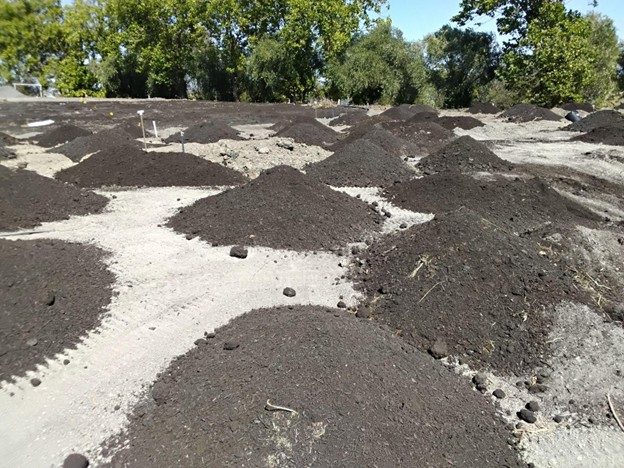
Issue: Hauling debris requires large trucks with thirsty engines and is energy intensive. Some debris can only be dumped into the landfill and can’t be recycled. Recycling centers are imperfect and much debris still ends up in the landfill. It’s best to limit how much material we remove from the site, regardless of where it’s being disposed of.
Resolution: Consider keeping that large tree in the back corner, maybe it provides shade or bird habitat and is worth keeping! Consider ways to keep excavated soil on site, try creating decorative mounded areas. Rather than get rid of old pots, wood, or other materials, consider how they could be incorporated into the new landscape.
3. Will it take a large quantity of new materials to be brought on site to fill the space created by its removal?
Issue: Any time we import new materials on site it uses energy to create those new materials and transport them to the site. The less overall materials we need to import, the more sustainable a project will be. Removing landscape elements that create the need for importing large amounts of new material is less than ideal from the perspective of sustainability.
Resolution: If you remove large plants such as a mature tree, consider planting a new one in a smaller size and giving it time to regrow rather than importing another full sized tree. If you remove a patio space, consider using materials that can be sourced locally such as local quarry stone, rather than importing new patio materials from far away.
4. Can removed landscape elements be repurposed and avoid going to the dump?
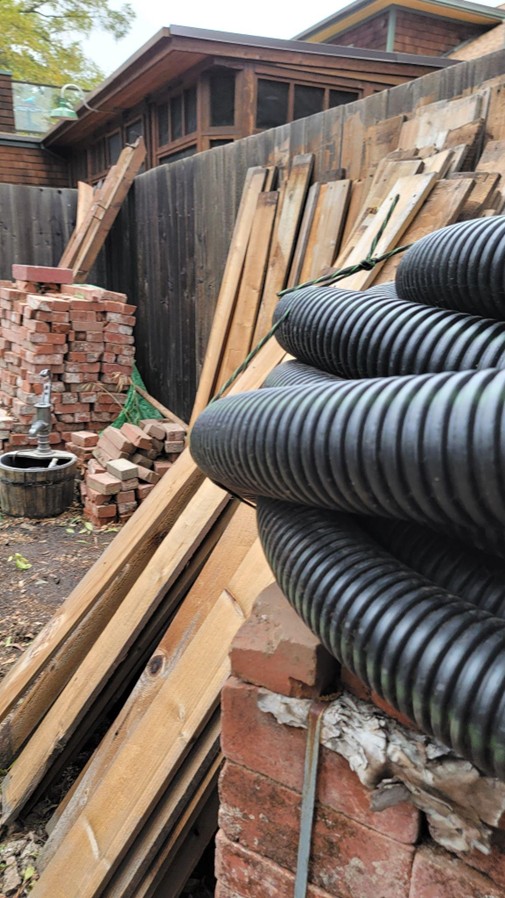
Issue: Sustainability is often achieved through keeping existing materials on site and finding ways to reuse them, any time we can find a way to reuse materials on site is a sustainability win. Some items inevitably need to be dumped, however this is a chance to think creatively!
Resolution: Are there items that can be repurposed as decorative antiques? Often old metal or stone objects can add a lot of character when thoughtfully placed in the landscape. Perhaps some old pots could be arranged decoratively and given a new life with new plantings. Before you just toss everything out, consider how these forgotten ‘waste’ items in your landscape could add character to your new landscape.
5. Should I separate my waste items before bringing them to the dump?
Issue: Separating trash from recycles from green waste takes an extra step and thoughtfulness compared to just dumping everything, however this has a huge impact on sustainability.
Resolution: As you create waste around the site during demolition, keep separate piles from the start, designate bins for trash/recyclables/green waste. Stay diligent, green waste is especially important to keep separate as it creates methane gas (many times worse than other greenhouse gasses) when dumped in landfills due to low oxygen decomposition.
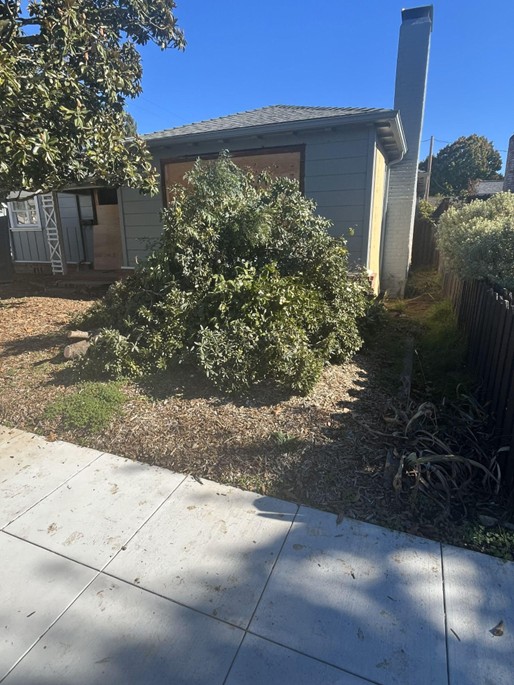
6. Where can I dump materials sustainably?
Issue: Finding the best place to dispose of your debris and feel good about it can be a challenge, however this is a very important step!
Resolution: Green waste should always go to a composting facility such as ‘Grab n’ Grow’ or even local transfer sites run by Recology in Petaluma, Guerneville, and Sonoma. Rock and concrete can often be recycled by facilities such as Wheeler Zamaroni (Santa Rosa), Soils Plus (Sonoma), Canyon Rock (Forestville), Healdsburg Recycle (Healdsburg), Windsor Materials Recovery Center (Windsor Make sure to call ahead for details on what items are accepted and their rates.
OUR QUICK TAKEAWAYS ABOUT SUSTAINABILITY IN LANDSCAPE DEMOLITION
- Focus on keeping labor and equipment use low.
- Minimize the need for trucking and heavy equipment.
- Consider repurposing existing materials on site rather than dumping them
- When dumping, separate your waste and thoughtfully pick your dumping site to maximize what can be recycled and composted
Sustainable landscape practices begin well before planting or construction starts. The demolition and removal phase is where many of the most impactful sustainability decisions are made, from limiting equipment use to reducing waste and reusing materials already on site. Thoughtful planning at this stage creates a stronger foundation for everything that follows. If you are planning a landscape renovation in Sonoma County and want expert guidance rooted in sustainability from the very first step, contact Inspired Landscapes at (707) 395-7474 to start your project responsibly.

Owner, Inspired Landscapes LLC
Matthew Ripley is the owner of Inspired Landscapes LLC, a Healdsburg based landscape design, installation, maintenance, and irrigation firm serving Sonoma County. His work blends horticultural expertise with sustainable practices, drawing creative influence from Sierra backpacking and Sonoma winery estates to craft gardens that invite wildlife and year round color. Client testimonials highlight his design leadership on residential, estate, and winery properties across the region.