



Sustainable Landscape Practices in Sonoma County: Drip Irrigation Guide
Key Takeaways
- Drip irrigation maximizes water efficiency by delivering water slowly and directly to plant roots.
- Group plants with similar water needs into separate zones.
- Use smart WIFI-enabled controllers to adapt to real-time weather.
- Program irrigation cycles to reduce runoff and evaporation.
Implementing drip irrigation and smart irrigation technology is one of the most impactful steps you can take toward sustainable landscape practices in Sonoma County.
Efficient Water Management with Drip Irrigation
As discussed in our Sustainable Landscape Practices series, water management is a cornerstone of sustainable landscaping in Sonoma County. From proper hardscape drainage to smart irrigation controllers, every element plays a role. One of the most effective tools available today is drip irrigation.
Our irrigation professionals consistently emphasize three core principles:
- Drip irrigation applies water directly to plant root zones.
- Water is applied slowly, reducing runoff and evaporation.
- Grouping plants with similar water needs into irrigation zones prevents over- and underwatering.
These principles significantly increase irrigation efficiency and reduce unnecessary water use.
Why Drip Irrigation Is More Efficient Than Spray Systems
Direct-to-Root Application
Spray irrigation distributes water through the air, where it can be blocked by foliage or blown off target during windy conditions. Water must also penetrate mulch before reaching roots, requiring greater volume to maintain plant health.
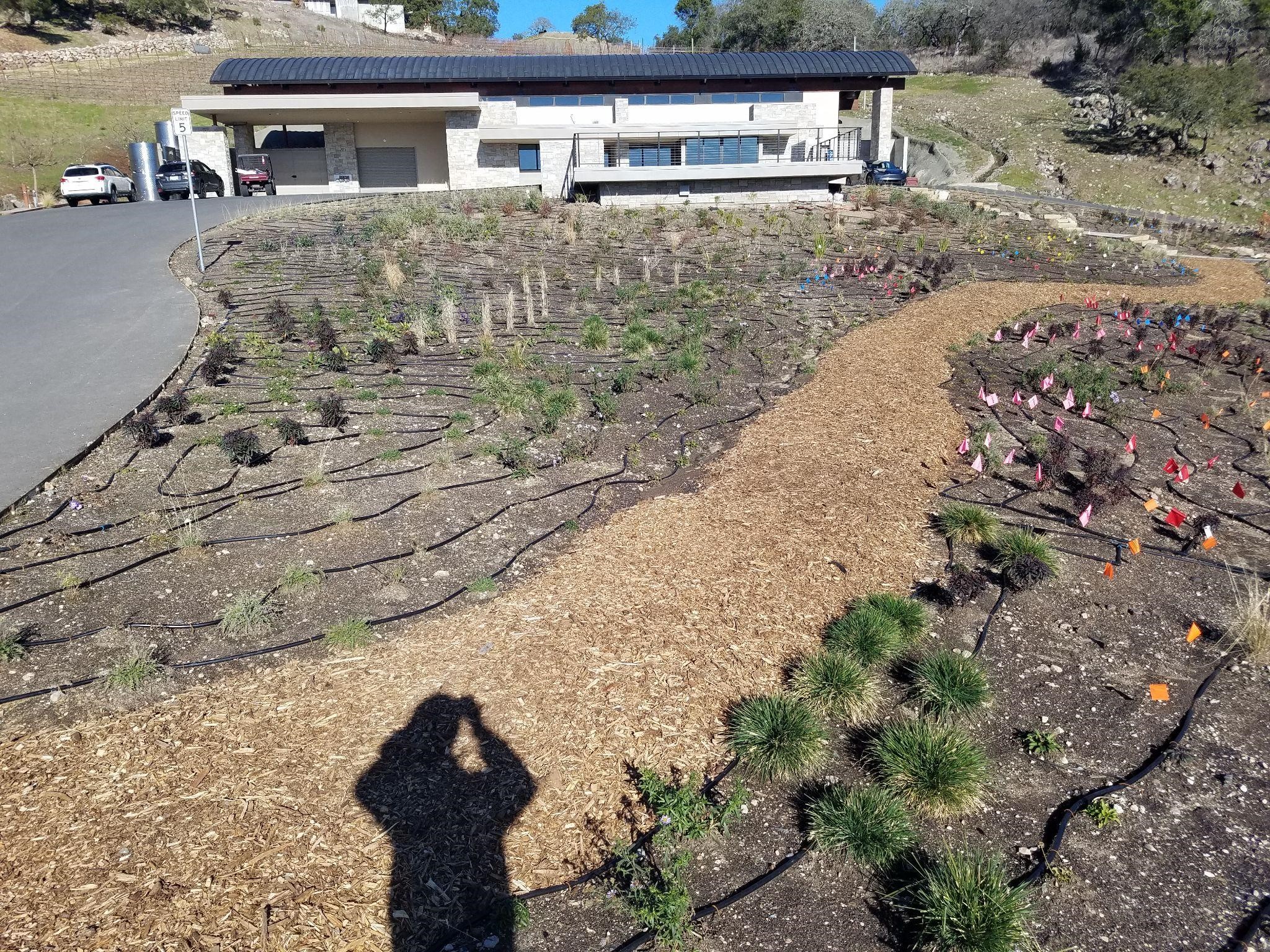
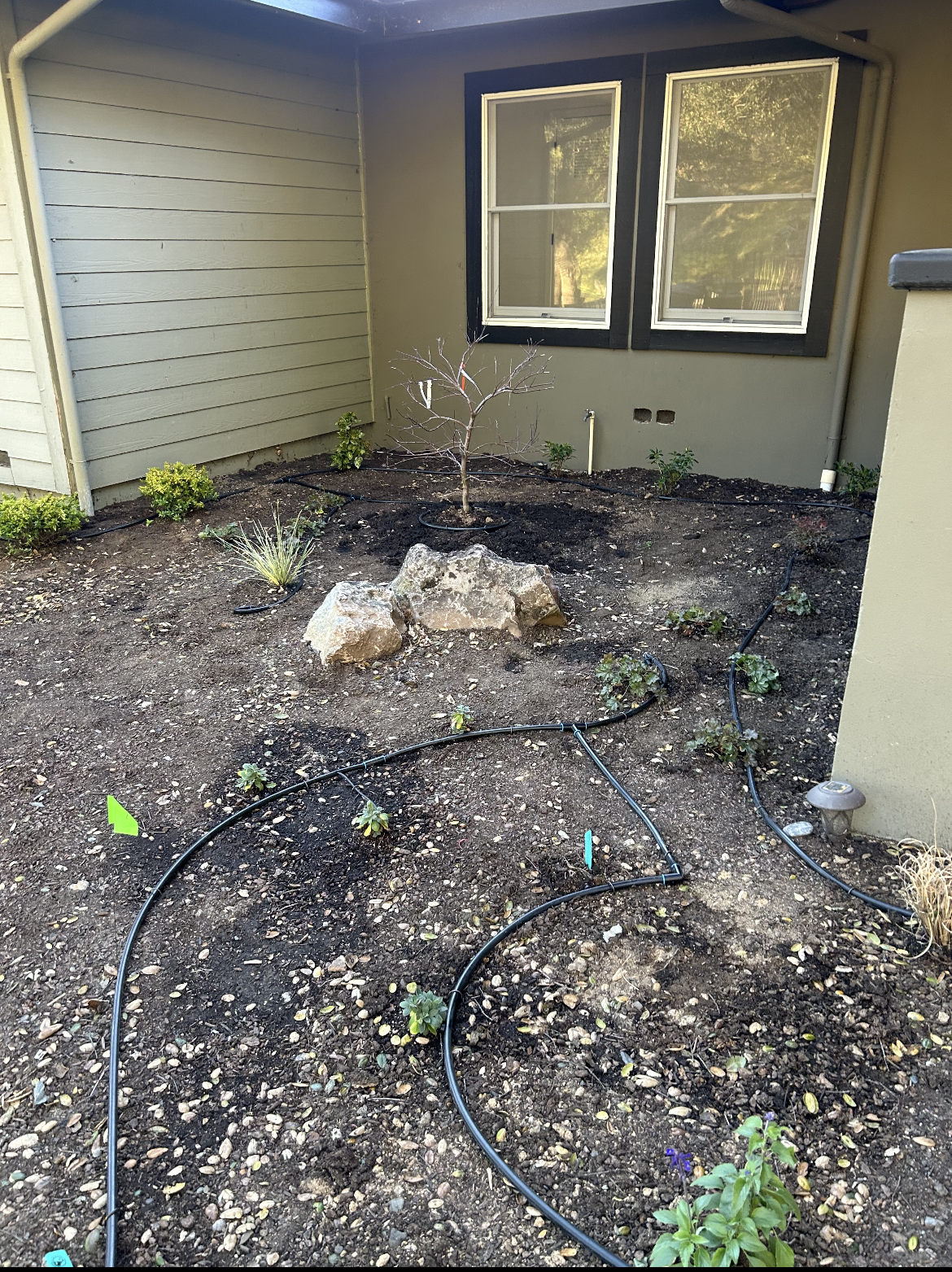
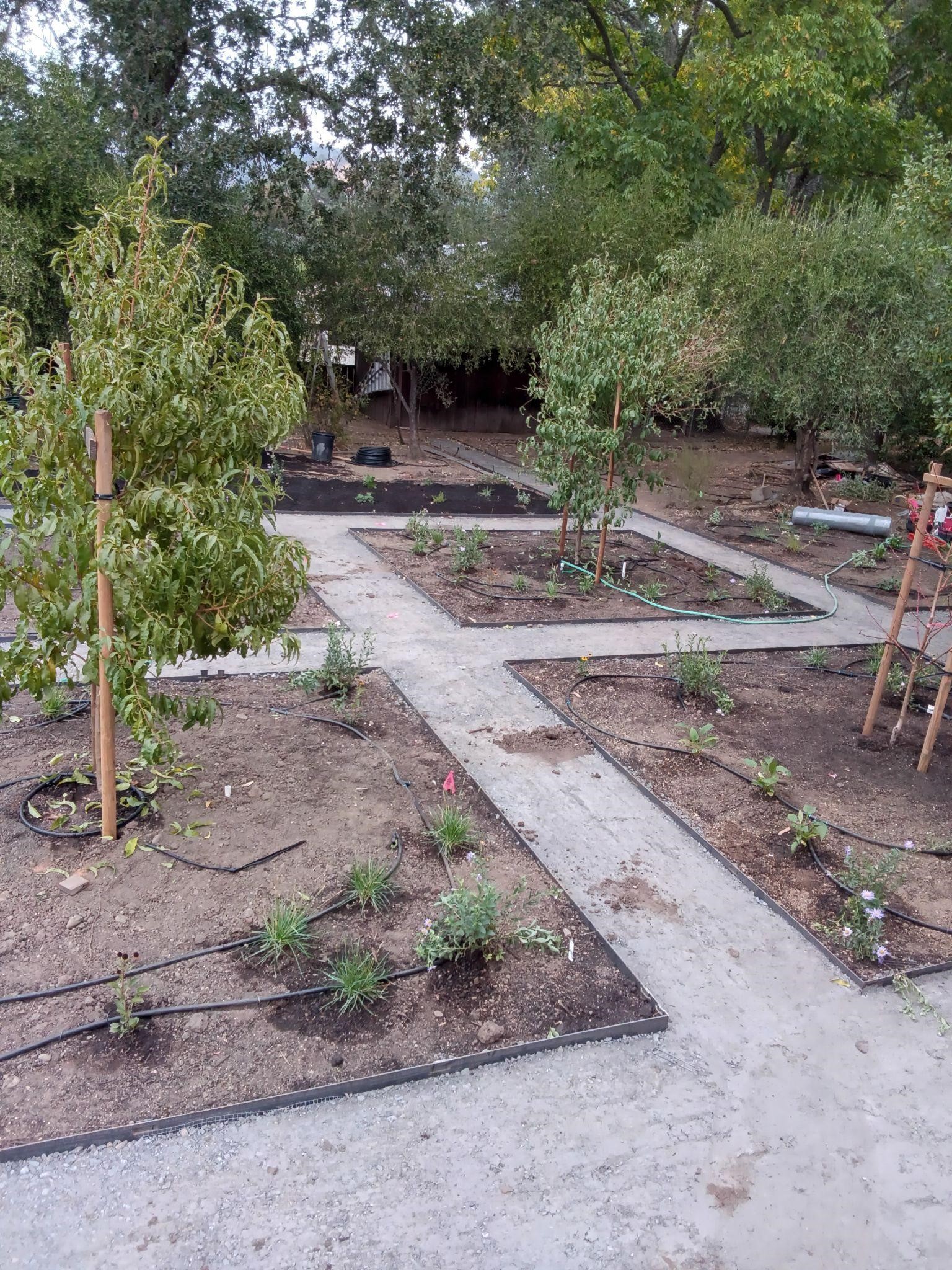
Drip irrigation tubing runs along the soil surface beneath mulch, with emitters positioned at the base of each plant. This ensures water is delivered precisely where it is needed — at the root zone — maximizing efficiency.
Slow Application Reduces Runoff
Think of soil like a dry sponge. When water is applied too quickly, much of it runs off before it can be absorbed. Drip irrigation applies water slowly, allowing the soil to fully absorb each drop. This increases soil holding capacity and keeps moisture concentrated at plant roots.
This slow, controlled application is essential for sustainable landscape practices because it minimizes waste and protects soil health.
The Importance of Proper Irrigation Zoning
Grouping plants with similar water requirements into dedicated irrigation zones is critical.
For example:
- Drought-tolerant California natives require infrequent deep watering.
- Roses and other ornamentals need more consistent moisture.
If these plants share the same irrigation zone, one group will inevitably suffer. By zoning plants appropriately, irrigation schedules can be customized for optimal plant health while conserving water.
This strategy is a foundational sustainable landscape design principle. While limiting high-water plants is ideal, proper zoning allows homeowners to enjoy select ornamentals responsibly.
Smart Irrigation Controllers & Sustainability
Drip irrigation is most effective when paired with a modern smart irrigation controller.
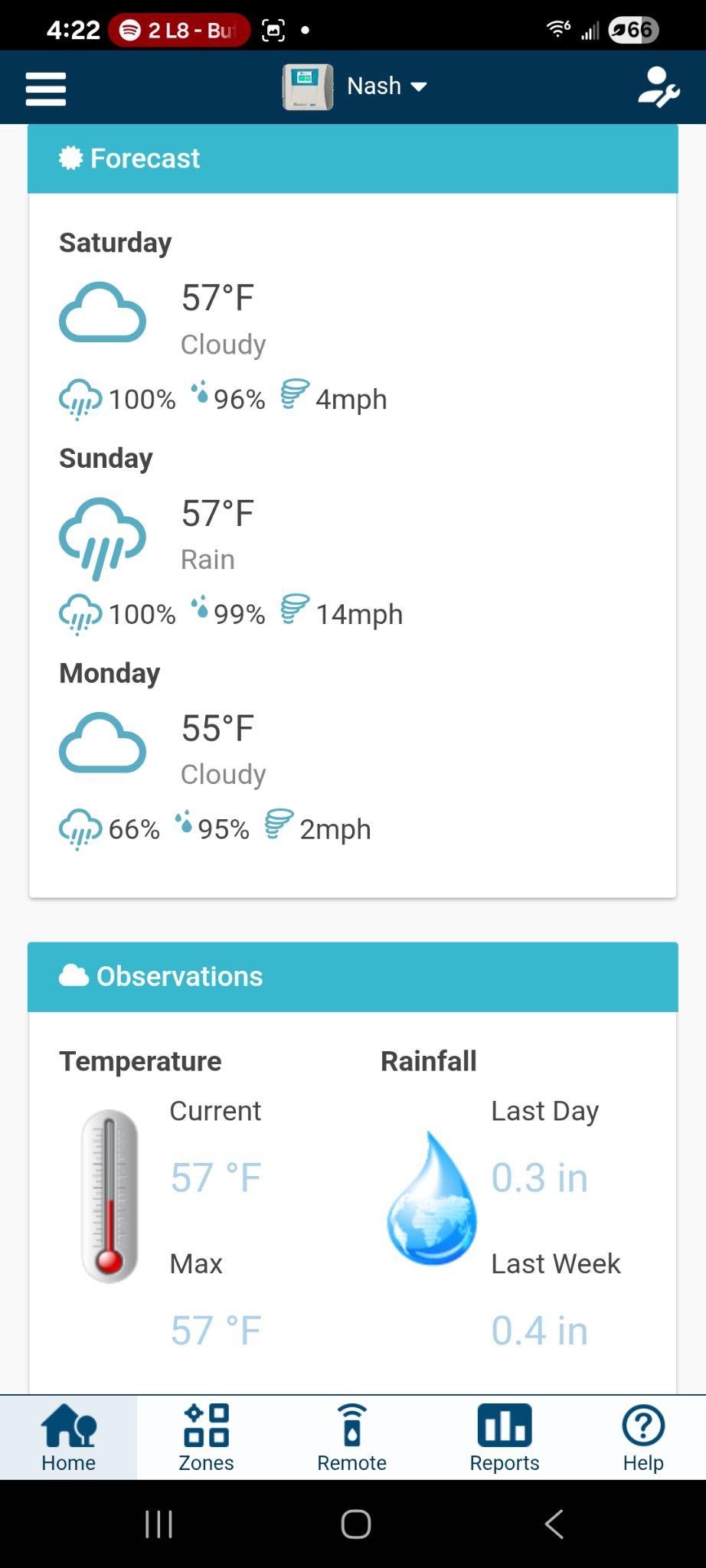
Today’s WIFI-enabled weather-sensing controllers automatically adjust watering schedules based on real-time weather data. This ensures landscapes receive the right amount of water at the right time.
Even with smart controllers, programming matters:
- Too much water causes root damage and runoff.
- Too little water stresses plants and increases replacement costs.
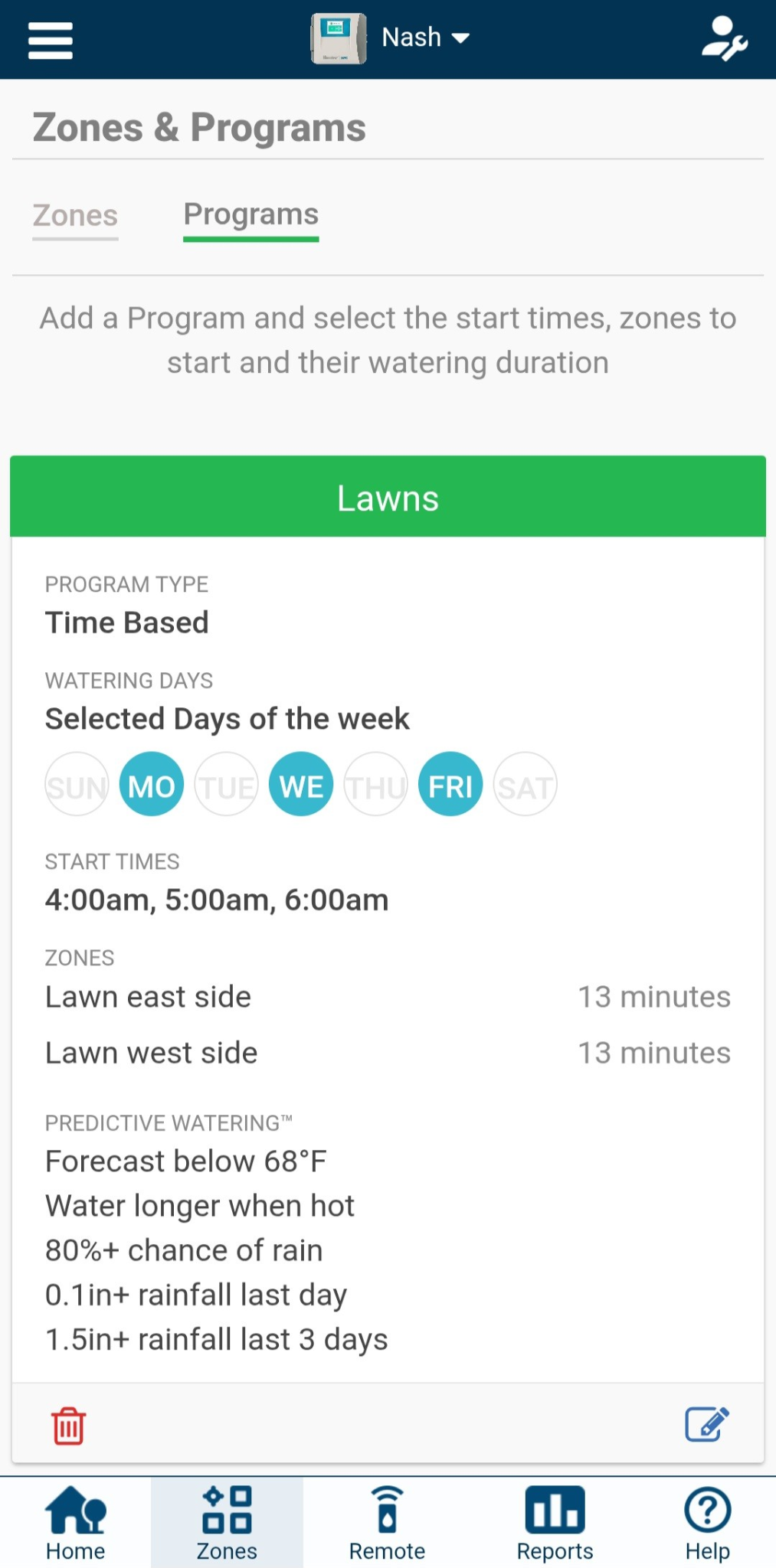
- Breaking watering into 2–3 cycles per day reduces runoff.
- Watering between 11 PM and 7 AM minimizes evaporation.
Does your controller have up to date sustainability features like WIFI enabled weather sensing?
- Check to see if your irrigation controller is WIFI enabled. It should say so on the faceplate of the controller.
- If not, then you absolutely can improve the sustainability of your landscape by upgrading. Old controllers are limited to manual programming without being able to adjust to real time weather conditions. Call Inspired Landscapes to discuss which WIFI controller would be best suited for you, we recommend the Hunter Hydrawise controllers.
Should You Upgrade Your Irrigation Controller?
If your controller is not WIFI-enabled, upgrading can significantly improve sustainability. Older systems rely solely on manual scheduling and cannot adjust to weather conditions.
If you already have a smart controller:
- Ensure it is properly connected to WIFI.
- Confirm it is pulling data from the nearest weather station.
- Review rainfall skip and forecast-based trigger settings.
- Adjust base programming to divide total water across multiple cycles per week.
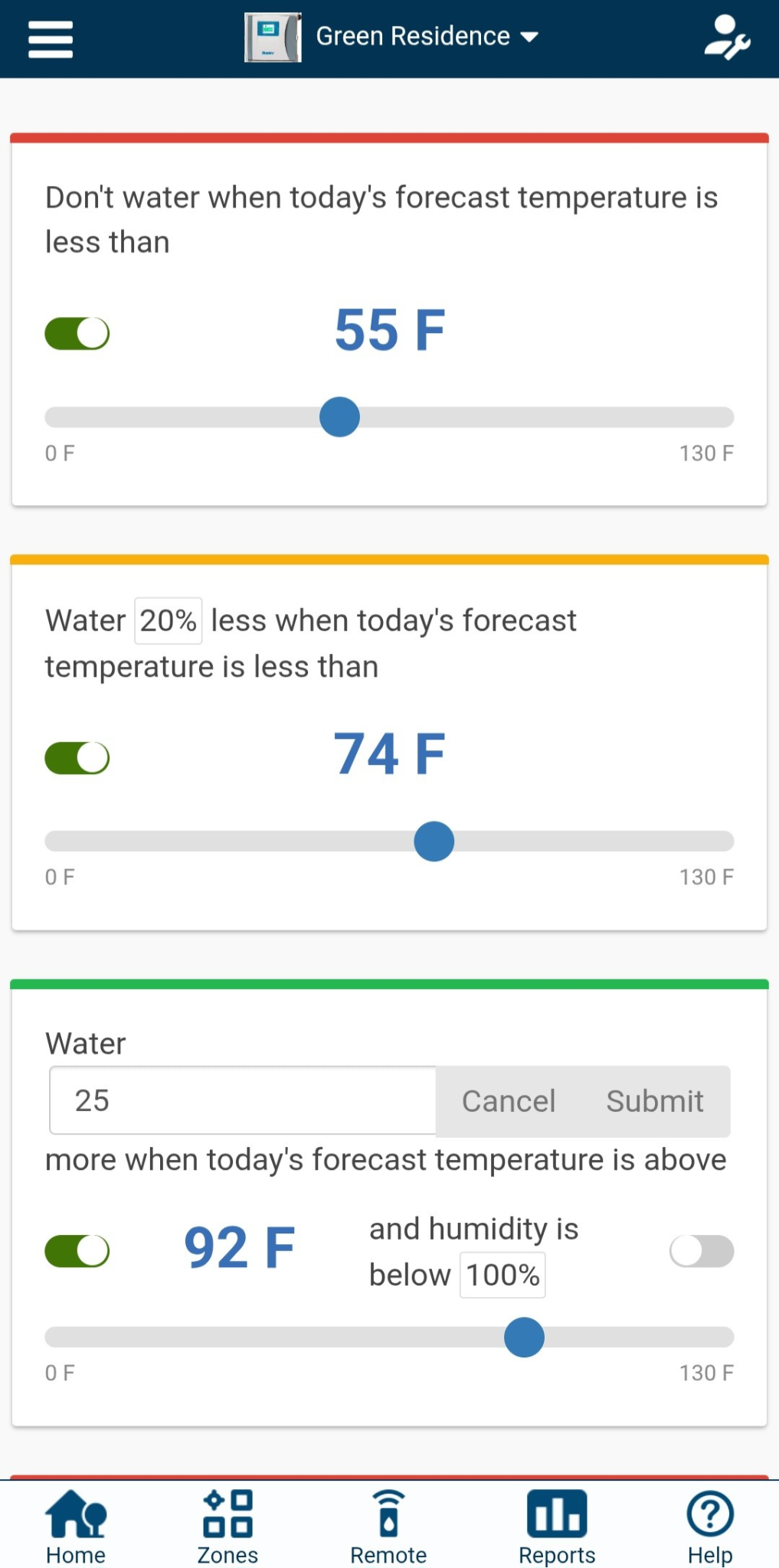
Controllers like the Hunter Hydrawise allow customizable weather triggers such as skipping irrigation if rainfall exceeds 0.1 inches in 24 hours or if rain probability exceeds 80%.
Ready to Improve the Sustainability of Your Landscape?
If you’re unsure whether your irrigation system is operating efficiently, a professional evaluation can identify immediate water-saving opportunities.
Inspired Landscapes provides sustainable landscape irrigation services throughout Sonoma County, including drip system design, irrigation zoning improvements, and smart controller upgrades.
Call Inspired Landscapes at (707) 874-5810 to schedule a sustainable irrigation consultation today.
Whether you need a drip irrigation retrofit, a controller upgrade, or complete irrigation redesign, our team can help you reduce water waste while keeping your landscape healthy and thriving.

Owner, Inspired Landscapes LLC
Matthew Ripley is the owner of Inspired Landscapes LLC, a Healdsburg based landscape design, installation, maintenance, and irrigation firm serving Sonoma County. His work blends horticultural expertise with sustainable practices, drawing creative influence from Sierra backpacking and Sonoma winery estates to craft gardens that invite wildlife and year round color. Client testimonials highlight his design leadership on residential, estate, and winery properties across the region.