




Sustainable Landscape Practices in Sonoma County: Tilling and Amendments
Key Takeaways
- Tilling can help in the right situation, but it should only be used when it improves soil conditions and supports long-term plant health.
- Use locally sourced organic amendments whenever possible to reduce environmental impact and support soil biology.
- Choose amendments based on the problem you are solving. Organic matter can improve soil structure and water retention, while mineral amendments may help address drainage in specific conditions.
- Reduce material inputs and equipment use when possible. Importing fewer amendments and limiting tilling to smaller areas can make a project more sustainable.
Healthy soil is the foundation of every successful landscape. It affects water retention, drainage, plant vigor, and resistance to pests and disease. In Sonoma County, sustainable landscape practices begin below the surface, with thoughtful decisions about how soil is prepared, whether it should be tilled, and which amendments will actually improve long-term growing conditions. Many of these decisions are part of broader landscape installation services in Sonoma County
Tilling and soil amendments can be valuable tools, but they should never be used automatically. A sustainable approach means evaluating the existing soil, understanding the needs of the plants, and choosing the least disruptive solution that will still support healthy growth.
When Tilling Helps and When It Hurts
Tilling can improve difficult soil conditions, especially when soil is heavily compacted and water cannot penetrate the surface. In these situations, loosening the soil and incorporating organic matter may improve drainage, root development, and plant health.
At the same time, tilling has drawbacks. It can disturb soil structure, disrupt beneficial fungi and bacteria, and release stored carbon into the air. Excessive tilling may also increase erosion, runoff, and topsoil loss, especially on slopes or exposed areas. Because tillers are typically powered by gasoline or diesel, they also come with an environmental cost.
For these reasons, sustainable landscaping calls for selective tilling rather than routine tilling. The goal is to use it only when it truly improves site conditions and supports the long-term health of the landscape.
Compost Does Not Always Need to Be Tilled In
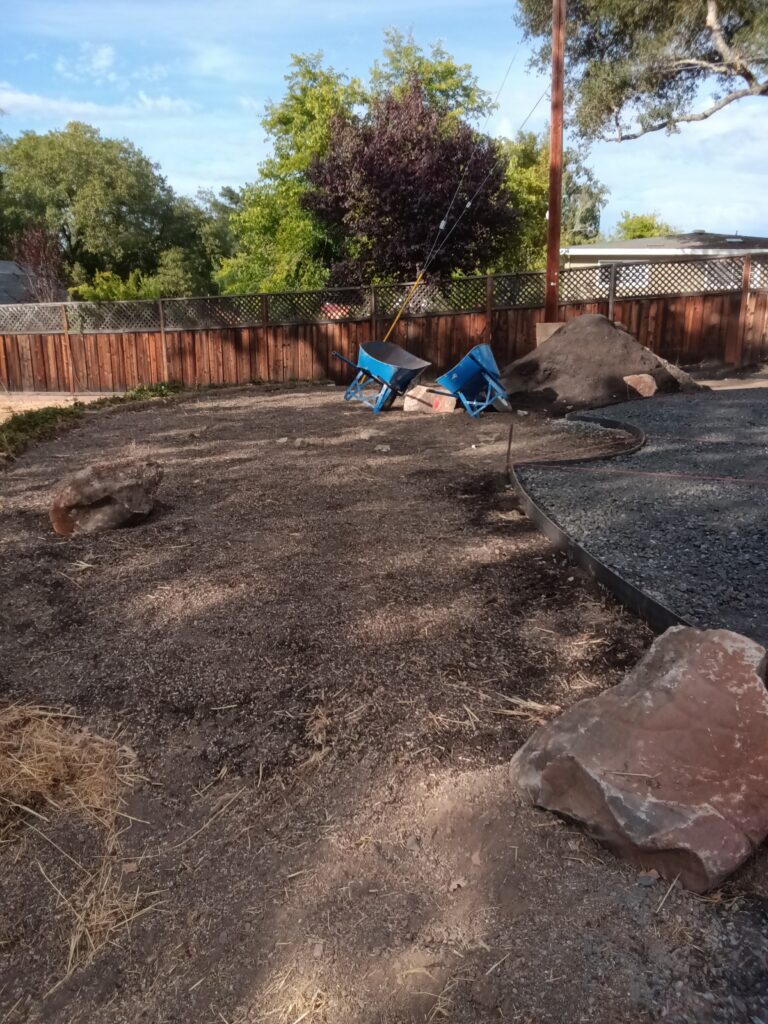
One of the most sustainable ways to improve soil health is by applying compost as a surface layer instead of tilling it into the ground. In existing planting areas, compost can gradually feed the soil food web as it breaks down. Rain and irrigation help move nutrients downward, while beneficial fungi and bacteria use that organic matter to support stronger root systems, nutrient uptake, and resilience to drought, pests, and disease. This approach also fits well with sustainable landscape maintenance
This lower-disturbance method is often ideal for established landscapes where the soil is already functioning well and major correction is not needed.
Case Study #1: When Tilling Was Not Necessary
One client wanted to plant a garden in an area where the previous owner had kept goats and sheep. They assumed tilling would be the first step, but the site showed otherwise.
After evaluating the area, we found the soil was already in excellent condition. Managed grazing had helped break up the surface naturally, while animal manure had contributed organic matter and fertility. The soil was dark, rich, and full of earthworms, all of which pointed to healthy biological activity.
Instead of tilling, we planted directly into the existing soil and recommended a 2-inch layer of compost mulch to continue feeding the soil gradually. This approach reduced labor, avoided unnecessary equipment use, and saved the client money while preserving strong soil health.
Case Study #2: When Tilling Improved the Outcome
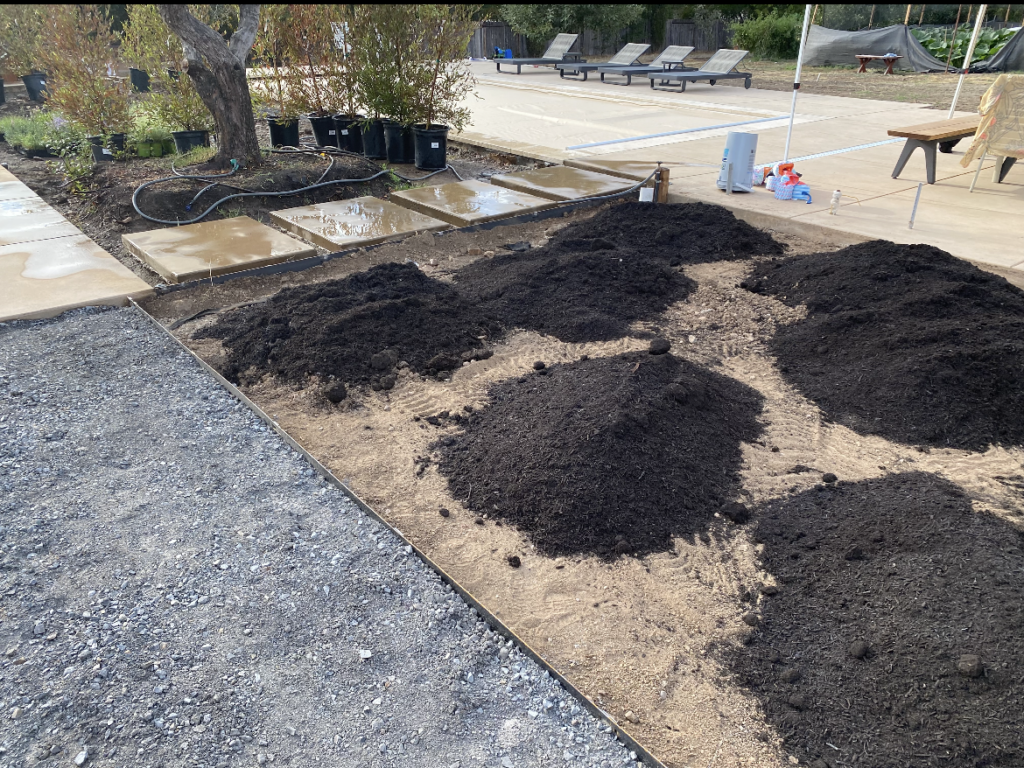
In another project, a client had a semi-developed property with heavily compacted clay soil. Their perennial garden had struggled for years, and irrigation water repeatedly ran off the surface and pooled in low areas. Neighboring properties were experiencing similar problems.
In this case, tilling was the right solution. We applied a 3-inch layer of organic compost and tilled it into the top 6 to 8 inches of soil. This helped loosen the compacted clay, improve water infiltration, and create a more favorable root zone for perennial plantings.
The results were dramatic. Within a few months, the garden was thriving, and the client reported that the runoff and pooling issues did not return. By identifying the real soil problem and using the right amendment, we were able to create a healthier and more resilient landscape.
Sustainable Soil Preparation Starts With the Site
There is no one-size-fits-all method for soil preparation. Some landscapes benefit from tilling and incorporated amendments, while others are better served by low-disturbance practices like surface composting and focused planting. The most sustainable choice is the one based on actual site conditions, plant goals, and long-term soil health.
At Inspired Landscapes, we help Sonoma County property owners make informed decisions about tilling, compost, and soil amendments so their landscapes can thrive with fewer inputs and a lighter environmental impact through expert landscape maintenance services.

Owner, Inspired Landscapes LLC
Matthew Ripley is the owner of Inspired Landscapes LLC, a Healdsburg based landscape design, installation, maintenance, and irrigation firm serving Sonoma County. His work blends horticultural expertise with sustainable practices, drawing creative influence from Sierra backpacking and Sonoma winery estates to craft gardens that invite wildlife and year round color. Client testimonials highlight his design leadership on residential, estate, and winery properties across the region.