




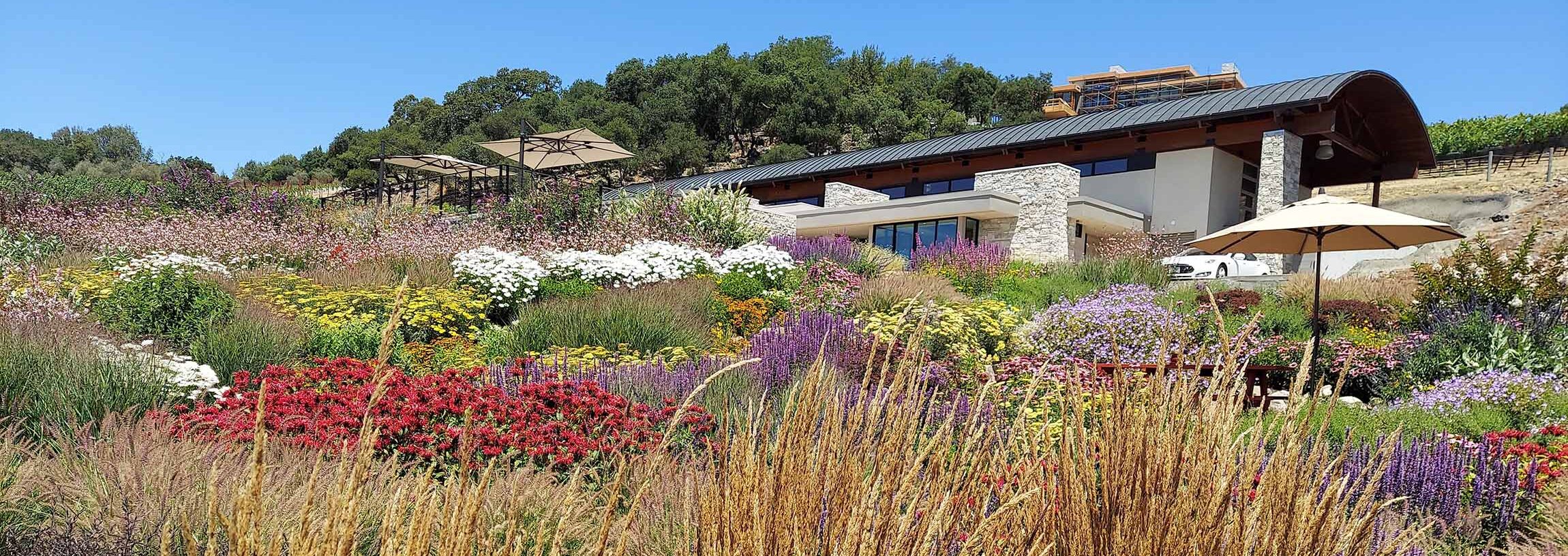
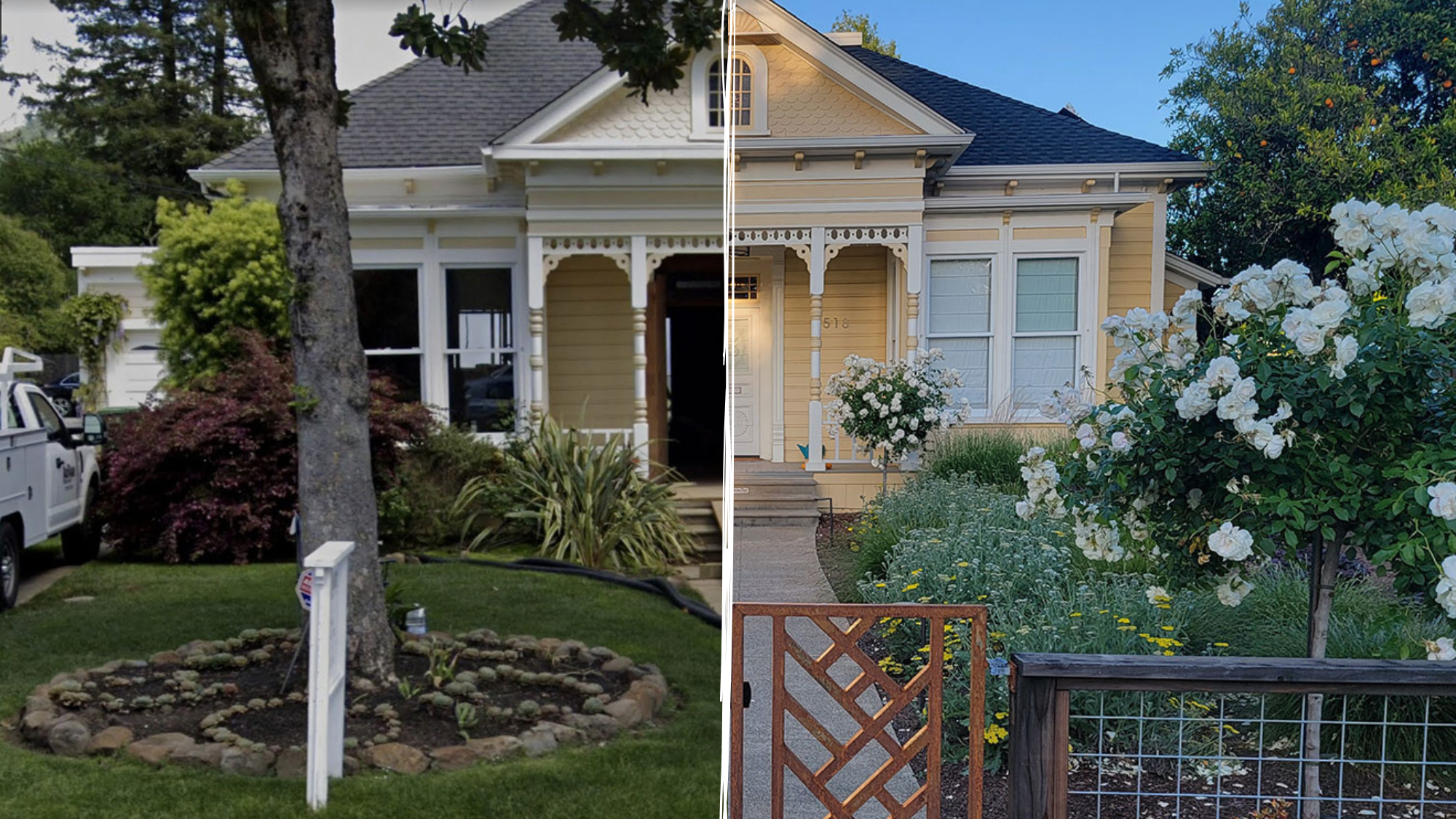
How to Convert Your Lawn to Sustainable Landscaping?
You might have already noticed more drought-tolerant landscaping beds popping up around the county this year. A new state law and a wave of local rebates are pushing property owners (especially estates, wineries, and HOA-managed communities) to rethink their lawns before water rules tighten further. Sustainable landscaping in Sonoma County is quickly becoming a practical priority for property owners.
Here’s what’s driving the shift, and how to make the switch the right way.
Key Takeaways
- California’s AB 1572 phases out potable-water irrigation of “non-functional” turf, starting with public agencies on January 1, 2027, then commercial properties in 2028, then HOA common areas in 2029.
- Private residential lawns aren’t covered by AB 1572, but several Sonoma County cities currently offer cash-for-grass rebates to any property owner who removes turf, residential included.
- A conversion that lasts involves four real steps: site assessment, soil prep, redesign, and irrigation conversion. Skipping one is the most common reason a “drought-tolerant” yard struggles anyway.
- We hold QWEL and CLCA Certified Water Manager credentials and handle design, irrigation, and ongoing care under one roof, useful for estate and HOA-adjacent properties watching these deadlines.
Why Sustainable Landscaping in Sonoma County Is Having a Moment
Two things are converging at once. First, AB 1572, California’s non-functional turf law, began its phase-in this year. It doesn’t touch private residential lawns, but it does apply to commercial, industrial, and HOA-managed common areas, meaning many estate and winery properties with shared entries, drives, or HOA oversight have a real compliance clock running, starting with public agencies in January 2027.
Second, several Sonoma County water providers are making it easier to act now rather than later. The Sonoma-Marin Saving Water Partnership currently lists active cash-for-grass programs through the cities of Sonoma, Santa Rosa, Cotati, Healdsburg, and Rohnert Park, open to residential and commercial customers alike. Rebate amounts and eligibility rules shift by city and by year, so we always recommend confirming current terms with your water provider before starting a project.
How the Lawn-to-Low-Water Conversion Works
A good conversion isn’t just ripping out grass and dropping in gravel, it’s a sequence, and each step sets up the next.
1. Site & Lawn Assessment
We start by walking the property: sun exposure, soil drainage, existing irrigation, slope, and how the space actually gets used. This tells us how much of the lawn is functional versus purely decorative. (It’s a similar functional-versus-decorative read to what AB 1572 uses for commercial sites, just applied to how you use your own yard.)
2. Soil Preparation
Most turf areas sit on compacted soil that won’t support drought-tolerant plants the way it supported grass. We amend and aerate so new root systems can establish deeply, which is what actually makes a plant drought-tolerant over time, not just the species on the tag.
3. Designing the Replacement Landscape
This is where horticultural expertise meets your goals. We select native and climate-adapted plants suited to your specific sun, soil, and water conditions, then group them by water need (also called “hydrozoning”) so nothing gets over- or under-watered.
4. Irrigation Conversion
Old spray heads built for turf waste water on bed and border plantings. We retrofit or redesign the system, often converting to drip irrigation paired with a smart, weather-based controller, so water reaches roots instead of evaporating off leaves and pavement. This is also where WUCOLS and MWELO compliance gets built in, which matters if your property needs a permit.
Why Property Owners Work with Inspired Landscapes
Sustainable landscaping is what we do, across estate, winery, and HOA-adjacent properties navigating exactly these water rules.
- We hold QWEL (Qualified Water Efficient Landscaper), CLCA Certified Water Manager, and Bay Friendly Landscape Manager credentials.
- As a design-build firm, we handle site assessment, design, irrigation, and ongoing maintenance under one roof — no handoffs between separate contractors.
- We prepare WUCOLS and MWELO documentation and permit packages for properties that need them, including HOA guideline coordination.
- Firm bids and clear, upfront pricing mean no surprise costs partway through a conversion.
Ready to Start Your Conversion? Let’s Talk Irrigation
Whether you’re an estate or HOA-adjacent property getting ahead of AB 1572’s deadlines, or simply tired of watering a lawn that fights the climate, the irrigation system is usually where conversions succeed or fail.
Call Inspired Landscapes and we’ll audit your existing system, talk through rebate eligibility, and build a plan suited to your site, with design and maintenance support available if you want it.
📞 Call: (707) 395-7474
Frequently Asked Questions
Does AB 1572 apply to my home’s front or back lawn?
No. Private residential lawns are exempt from AB 1572. The law applies to commercial, industrial, institutional, and HOA-managed common-area turf, with deadlines starting in 2027. Many residential owners are converting anyway to take advantage of current rebates and reduce water use.
How much lawn do I need to remove to qualify for a rebate?
Minimum square footage and rebate amounts vary by city and water provider, and they change from year to year. We recommend confirming current terms with the Sonoma-Marin Saving Water Partnership or your local water provider before starting, and we’re happy to help you check eligibility.
Will a low-water landscape need irrigation at all?
Yes, even drought-tolerant and native plants need supplemental water, especially while they’re establishing. Irrigation conversion is about matching the system to the plants, typically with drip lines and a smart controller, not removing irrigation altogether.
How long does a lawn conversion take to look finished?
Installation timelines depend on the size and complexity of the site, but the bigger factor is establishment. Most landscapes need one to three years to fully mature, as outlined above.
Can Inspired Landscapes help with permits if my property needs them?
Yes. We prepare WUCOLS and MWELO documentation and permit submittal packages for projects that require them, which is common on larger estate, HOA, and winery properties.

Owner, Inspired Landscapes LLC
Matthew Ripley is the owner of Inspired Landscapes LLC, a Healdsburg based landscape design, installation, maintenance, and irrigation firm serving Sonoma County. His work blends horticultural expertise with sustainable practices, drawing creative influence from Sierra backpacking and Sonoma winery estates to craft gardens that invite wildlife and year round color. Client testimonials highlight his design leadership on residential, estate, and winery properties across the region.