




Sustainable Yard Maintenance Throughout Every Season
Sonoma County has a landscape calendar unlike anywhere else in California. Wet winters, long dry summers, and real fire risk make the timing of your yard care matter more than most people realize.
If you’re working toward a more water-wise, drought-tolerant yard, or already have one, the most common question we hear is: what does it actually need, season to season? If you’re searching for yard maintenance services in Sonoma County that understand our local climate, this is a good place to start.
Key Takeaways
- Each season in Sonoma County calls for specific tasks, skipping them creates problems that compound over time.
- Winter is your best window for structural pruning and soil work while plants are dormant.
- Spring irrigation setup and planting choices set the tone for the entire dry season.
- Summer maintenance here is as much about fire safety as it is about watering.
- Fall mulching and cleanup are among the highest-value tasks for long-term water savings and plant health.
Why Seasonal Timing Matters for Sonoma County Properties
Sonoma County’s Mediterranean climate means most rainfall arrives between November and April. From late spring through October, much of the county receives little to no natural rainfall, five to six months of dry conditions, every year.
That cycle shapes everything about how a sustainable landscape should be cared for. A drought-tolerant yard planted with native and climate-adapted species is designed to work with this pattern, but only when the maintenance calendar matches it. Prune at the wrong time, skip an irrigation adjustment, or let dry vegetation pile up through summer, and a well-designed landscape quickly loses its edge.
Poor timing doesn’t just affect how your yard looks, it affects water bills, plant health, and in fire-prone areas, property safety. That’s why understanding the seasonal rhythm of Sonoma County is the foundation of everything we do.
Winter (December – February): Pruning and Soil Work
Winter might feel like the off-season, but it’s one of the most productive times to work on your landscape.
Structural Pruning
Dormant plants aren’t pushing energy into new growth, which makes winter the ideal time to prune without causing stress.
- Ornamental shrubs and perennials benefit from cutbacks that encourage strong spring regrowth.
- Fruit trees, roses, and espalier require precise technique, improper cuts can cost you a full season of production or bloom.
- Trees may need deadwood removal or structural work to reduce future hazard.
Pro Tip: Reducing plant density in winter also means less dry fuel in your landscape when fire season arrives.
Soil Amendments
Healthy soil is the foundation of a low-water landscape. While the ground is moist and plants are resting:
- Apply organically based fertilizers or compost to support soil biology.
- Address compaction or drainage issues while the ground is workable.
- Note any areas where erosion occurred, those spots may need replanting or ground cover work.
Spring (March – May): Irrigation and Planting
Spring is when decisions have the biggest ripple effect on what the rest of the year looks like.
Irrigation Review and Programming
Don’t just turn your system back on, inspect and reprogram it before temperatures climb.
- Check for broken heads, clogged drip emitters, and winter damage.
- Update controller run times to reflect changing conditions; what worked in March won’t be right in July.
- If you have a smart, weather-based controller (one that reads local ET [evapotranspiration] data and adjusts automatically), confirm it’s calibrated correctly.
Heads Up: If your system is older than 10 years, a spring audit is worth considering. Inefficient irrigation quietly wastes water for months before anyone notices.
Spring Planting
Spring is the preferred window for adding drought-tolerant natives or climate-adapted plants. Installed now, they have a few months to establish roots before the dry season arrives.
New plants should be grouped by water needs (a practice called hydrozoning) so each irrigation zone can be programmed efficiently and nothing gets over- or under-watered.
Summer (June – September): Water Management and Fire Prep
Summer shifts landscape care into a mode that balances resource stewardship and safety.
Water Management
Over-watering in summer doesn’t just waste water, it can weaken drought-tolerant plants that prefer drier conditions once established.
- Adjust irrigation monthly as temperatures peak; schedules that worked in June need updating by August.
- Watch for dry spots or runoff, both signal coverage problems or broken components.
- Check drip emitters in planters and vegetable beds, where clogs often go unnoticed until plants show stress.
Fire Season Vegetation Management
Defensible space isn’t just a regulatory requirement, it’s responsible stewardship in our region. Summer maintenance that supports fire safety:
- Remove dead or dry vegetation near structures and pathways.
- Cut back plants that have gone dormant or dried out — dry material is fuel.
- Keep mulch pulled back from direct contact with wood structures.
Fire-resistant landscape design is one of our core specializations. We work with property owners across Sonoma County, including post-fire rebuild situations, to create landscapes that are both beautiful and well-managed for fire risk.
Fall (October – November): Mulching, Cleanup, and Rain Prep
Fall is one of the most overlooked (and highest value) windows in the landscape calendar.
Mulch Application
A fresh layer of mulch applied in fall:
- Retains soil moisture and insulates roots through cooler nights.
- Suppresses weeds that germinate with the first rains.
- Reduces erosion when winter rain arrives.
- Builds soil health as organic material breaks down over time.
Aim for 2–4 inches around planting beds, pulled back from plant crowns and tree trunks.
Fall Cleanup and Irrigation Wind-Down
- Remove spent annuals and dried or diseased vegetation.
- Cut back perennials that have finished their cycle, but leave seed heads that benefit birds and pollinators through winter.
- Reduce irrigation run times as rainfall returns, and do a final system check before the rainy season starts.
How We Support Year-Round Yard Maintenance in Sonoma County
A well-designed sustainable landscape doesn’t run itself, but with the right maintenance partner, it gets close.
Our team at Inspired Landscapes is led by certified horticulture professionals with deep experience in Sonoma County’s specific climate demands. Every landscape we maintain gets:
- Monthly walkthroughs by a horticultural supervisor.
- Seasonal pruning timed to your specific plant palette.
- Irrigation adjustments built around local weather and ET data.
- Organically based fertilization programs customized per site.
- Year-round vegetation and fire safety management.
We offer one-time visits, seasonal cleanups, and ongoing weekly or bi-weekly plans, serving residential and estate properties in Healdsburg, Santa Rosa, Petaluma, Rohnert Park, Glen Ellen, and across Sonoma County. Our certifications in water management, horticulture, and sustainable practices mean every recommendation is backed by real expertise, not guesswork.
Ready to Get Your Landscape on a Seasonal Plan?
Whether your yard is already water-wise or you’re ready to move in that direction, we’d love to take a look and build a plan that fits your property and your goals.
Reach out to Inspired Landscapes today!
📞 Call: (707) 395-7474
Seasonal Sustainable Landscape Maintenance: FAQ
When is the best time to start a yard maintenance plan in Sonoma County?
Any time works, but late fall through early winter is often ideal, plants are dormant, pruning can happen without stress, and we can get your irrigation dialed in before the dry season. We work with new clients year-round and build plans around where you are in the season.
How often does a sustainable landscape need professional maintenance?
Most well-designed landscapes benefit from at least monthly visits, covering irrigation adjustments, light pruning, and a walkthrough to flag anything that needs attention. Many clients prefer bi-weekly visits for more active management.
Do I need to adjust my irrigation system every season?
Yes. Water needs change significantly from spring through midsummer into fall. Smart controllers automate many adjustments, but they still benefit from professional programming and seasonal check-ins to confirm they’re responding correctly to local conditions.
What does fire season vegetation management actually involve?
Keeping dry, dead, or overly dense vegetation managed around structures, fences, and pathways. This includes seasonal cutbacks, clearance around tree bases, and correct mulch application. We treat fire safety as part of overall landscape health, not a separate checklist item.
Can a drought-tolerant yard still look good year-round?
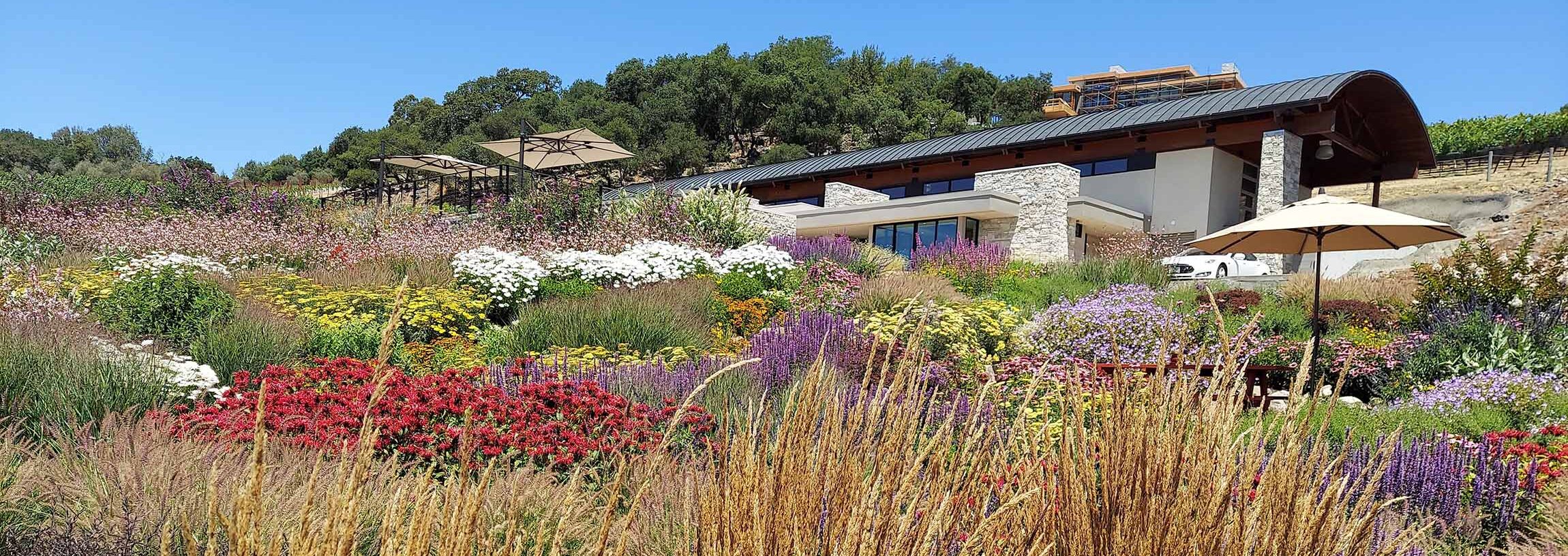
Yes, this is one of the things we’re most proud of in our work. Native and climate-adapted plants offer dynamic seasonal color, texture, and fragrance, along with habitat for hummingbirds, butterflies, and pollinators. A well-maintained sustainable landscape isn’t bare or brown , it’s alive in every season.

Owner, Inspired Landscapes LLC
Matthew Ripley is the owner of Inspired Landscapes LLC, a Healdsburg based landscape design, installation, maintenance, and irrigation firm serving Sonoma County. His work blends horticultural expertise with sustainable practices, drawing creative influence from Sierra backpacking and Sonoma winery estates to craft gardens that invite wildlife and year round color. Client testimonials highlight his design leadership on residential, estate, and winery properties across the region.