



How Can I Make My Yard More Sustainable for Local Pollinators?
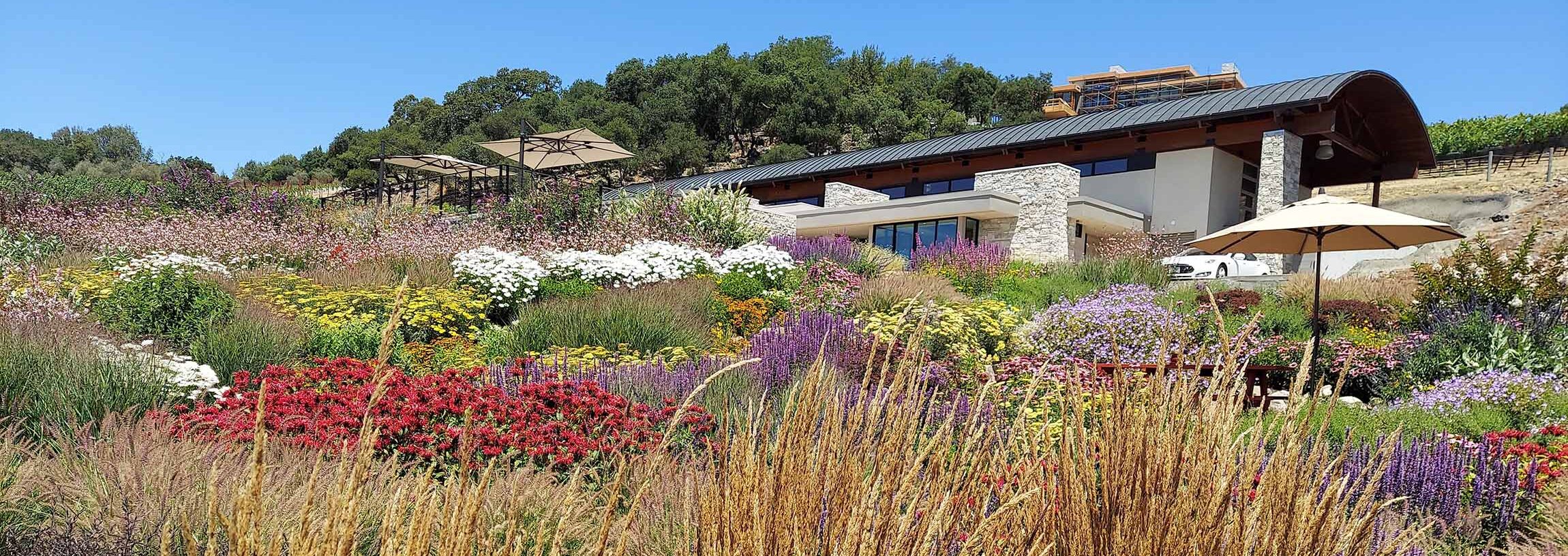
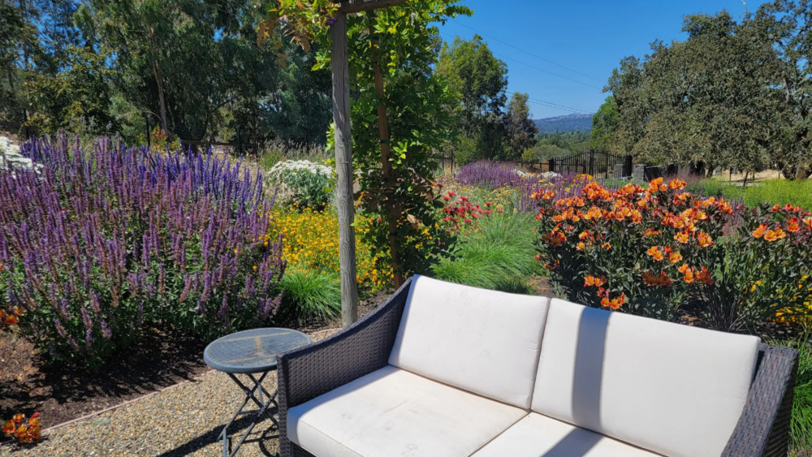
Have you noticed fewer bees in your lavender or wished your back patio drew more hummingbirds? Across Sonoma County, pollinator activity has been thinning out as wilder corners of yards get replaced with tidy lawns and ornamental plantings that don’t offer much food or shelter. Pollinator-friendly design has become one of the most requested backyard landscaping ideas in Sonoma County, and the good news is you don’t need to redo your whole yard to get there. With the right plant mix, a water source pollinators can actually use, and a few changes to how pests are managed, most residential and estate landscapes can support bees, butterflies, and hummingbirds season after season.
Key Takeaways
- Plant diversity beats single big plantings; overlapping bloom times, paired with a few key host plants, keep pollinators fed and reproducing year-round.
- A functioning habitat includes water and shelter, not just flowers.
- Pesticide-free maintenance is non-negotiable, chemical drift and systemic treatments can destroy a pollinator garden.
Designing Healthy Habitats
Sonoma County’s mix of oak woodland, vineyard, and coastal climate supports an unusually wide range of native bees, butterflies, and hummingbirds. New development and traditional ornamental landscaping have steadily shrunk the habitat they rely on.
Designing with pollinators in mind helps to support the ecosystem your property is already part of, helps any vegetable or fruit garden you grow, and typically means lower water and chemical use over time.
5 Best Practices for a Pollinator-Friendly Landscape
1) Plant for Diversity and Bloom Succession
Choose a range of species that bloom at different times of year rather than a few large plantings of the same thing. Pollinators need a continuous nectar source from late winter through fall:
- Late winter/early spring: ceanothus, manzanita, and flowering currant
- Summer: salvia, California fuchsia, and yarrow
- Fall: aster, goldenrod, and California buckwheat
Layering these bloom windows means there’s rarely a stretch where your garden goes empty for pollinators.
Pro Tip
Group plants with similar water needs together (a hydrozone), so pollinator borders don’t compete with the rest of your irrigation schedule.
2) Add a Water Feature Pollinators Can Actually Use
Bees and butterflies need shallow water to land safely; a deep birdbath or pool edge doesn’t work for them. Consider adding one of the following to give pollinators a place to drink without drowning:
- a basin with stones or marbles breaking the surface
- a small recirculating fountain
- a shallow creek-bed feature
Position the feature in a part-shade spot so it doesn’t evaporate too quickly and keep the water moving or change it regularly to prevent a mosquito breeding site.
3) Skip Synthetic Pesticides and Herbicides
Systemic insecticides and weed-and-feed products are absorbed into plant tissue, including the nectar and pollen pollinators feed on, so spraying one part of the yard can still affect a pollinator garden elsewhere on the property.
An organically based, customized fertilization program protects the plants you’re growing without putting pollinators at risk, and targeted spot treatments are almost always a better option than broad-spectrum products.
4) Build Habitat Zones, Not Just Flower Beds
Consider including specific habitat zones based on the specific needs of the pollinators you want to encourage. For example:
- Bare, undisturbed soil – gives a place for ground-nesting bees to live
- Host plants for larvae – needed for butterfly reproduction
- Brush or log pile – overwinter shelter for beneficial insects
Set aside at least one zone in your landscape that stays a little wilder than the rest, even if it’s a corner tucked out of view from the main patio or entertaining space. Working with design professionals like our team at Inspired Landscapes can help you create a beautiful, blended environment that looks amazing from the patio and helps local pollinators thrive.
5) Time Plantings and Pruning Around Pollinator Activity
When you plant and prune matters almost as much as what you plant.
Avoid heavy pruning of spent flower heads in fall and winter, since hollow stems and seed heads often shelter overwintering bees and butterflies through the cold months. Spring is generally the best window for new plantings in Sonoma County, giving roots time to establish before summer heat sets in, while major pruning is best scheduled for late winter, after most pollinators have moved on from a plant for the season.
Simple Habitat Boosters You Can Add This Weekend
Not every pollinator-friendly upgrade requires a full redesign. A few small additions can make a difference while you plan anything bigger:
- Leave a few bare patches of soil in a sunny spot instead of mulching every inch; most native bee species nest in the ground rather than in hives.
- Add a shallow dish of water with stones near existing plantings as a quick, low-cost water source.
- Skip deadheading a few plants at the end of the season to leave seed heads and stems in place for shelter.
Common Mistakes That Undercut Pollinator Habitat
- Mulching every bare patch. Solid mulch coverage removes nesting sites for the many native bee species that nest in the ground.
- Relying on plant tags alone. A “pollinator-friendly” plant doesn’t offset pesticide use elsewhere in the yard, since pollinators move freely across a property.
- Placing water features without a plan. Runoff or overspray from a poorly placed feature can interfere with irrigation zones nearby or create standing water issues.
Where Thoughtful Design Brings It Together
At Inspired Landscapes, if you’re looking to include a pollinator habitat we make sure it gets built into the design phase for a beautiful, functional, and cohesive landscape. These backyard landscaping ideas in Sonoma County work best as part of the original plan, since bloom succession, water placement, and habitat zones all depend on how the rest of the landscape is laid out.
How Our Design Process Supports Pollinator Habitat
- Site walk first. We identify existing sun, shade, and pollinator activity before any plant list is drawn up.
- Hydrozone mapping. Pollinator borders are grouped with plants that share similar water needs.
- Native, climate-adapted plant lists. Planting plans are built from species suited specifically to Sonoma County conditions, not generic nursery picks.
What to Do Next
- Map your yard. Note current bloom times, sun and shade patterns, and any existing water sources.
- Add three or four new plants in bloom seasons you’re currently missing, rather than reworking the whole yard at once.
- Hold off on a full fall clean-up. Leave some stems and seed heads in place through winter for shelter.
- Schedule a design consultation if you want a full pollinator habitat plan built into your landscape.
Let’s Create an Oasis for Local Pollinators!
A pollinator garden works best when it’s planned as part of your overall landscape, not added as an afterthought. At Inspired Landscapes, our design process starts with a site walk, then builds planting and hydrozone plans suited to both your property and the wildlife around it. If you’re ready to put these best practices to work in your own yard, reach out to Inspired Landscapes.
📞 Call: (707) 395-7474
Frequently Asked Questions
What’s the easiest place to start with a pollinator garden?
Add a few plants that bloom in a season your yard is currently missing, and a shallow water source. Small additions still make a measurable difference for local bees and butterflies, even before any larger redesign.
Do I need a water feature, or will plants alone work?
Plants provide food, but water is just as important, especially during Sonoma County’s dry summer months. A shallow basin or small fountain is usually enough to make a noticeable difference.
Is it safe to use any pesticides in a pollinator garden?
Synthetic and systemic products are best avoided since they affect nectar and pollen. Organic-based fertilization and targeted, non-systemic treatments are the safer approach when pest control is genuinely needed.
How many plant species should a basic pollinator garden include?
There’s no strict minimum, but aiming for varieties that bloom across at least three seasons gives pollinators a more reliable food source than a handful of same-season plants.
Does a pollinator garden need separate irrigation zones?
Often, yes. Pollinator beds usually include native and drought-tolerant species with different water needs than a lawn or ornamental bed, so grouping them into their own hydrozone makes watering more efficient.
Can a pollinator garden also meet fire-resistant landscaping needs in Sonoma County?
Yes, with the right plant choices and spacing. Many fire-resistant, climate-adapted species also support pollinators, which is something to plan for together rather than treat as competing priorities.
How do I get started with backyard landscaping ideas in Sonoma County that support pollinators?
Start with a site walk to understand your yard’s existing conditions, then build a planting and water plan around it. That’s the process we use with every design we take on.
Owner, Inspired Landscapes LLC
Matthew Ripley is the owner of Inspired Landscapes LLC, a Healdsburg based landscape design, installation, maintenance, and irrigation firm serving Sonoma County. His work blends horticultural expertise with sustainable practices, drawing creative influence from Sierra backpacking and Sonoma winery estates to craft gardens that invite wildlife and year round color. Client testimonials highlight his design leadership on residential, estate, and winery properties across the region.