




Sustainable Landscape Design: When to Start and Why it Works
Beautiful landscapes usually get judged at the end, when the plants are in, the hardscape is finished, and everything looks polished.
But sustainable landscape design is decided much earlier than that. If you’ve been searching for landscape design companies in Healdsburg, it helps to know that the real difference usually isn’t in the final photos. It’s in the design process, where smart decisions get made before anything is installed.
That’s where a landscape either sets itself up for long-term success or quietly heads toward years of overwatering, plant stress, drainage issues, and avoidable maintenance.
For homeowners and commercial property owners alike, sustainability is less about trends and more about making good calls early on. How does the site behave? Where does the sun hit hardest? Where does water collect? Which areas are windy, shaded, hot, or hard to maintain? And maybe the biggest question of all: how much work is this landscape going to need later?
Key Takeaways
- Sustainable landscape design starts long before installation begins.
- Site analysis helps guide smarter choices around soil, slope, drainage, and use.
- Sun and wind exposure affect plant health, water use, and outdoor comfort.
- Drainage planning helps prevent long-term damage and costly repairs.
- Grouping plants by shared needs improves irrigation efficiency and maintenance.
- Early design decisions have a major impact on long-term upkeep and sustainability.
It Starts with Site Analysis
This part isn’t flashy, but it’s one of the most important parts of the whole project.
A good site analysis means slowing down and reading the land before making design choices. Not forcing a style onto a property. Not guessing. Actually paying attention to what the site is already telling you.
That usually includes:
- slope and grade
- soil conditions
- drainage patterns
- existing trees and vegetation
- privacy needs
- access and circulation
- high-use areas
- existing structures and hardscape
When a landscape is designed around real site conditions, everything tends to work better. Plants are healthier. Water is used more efficiently. Spaces feel more comfortable. Maintenance gets easier.
Sun Exposure Changes Everything
Sun is one of the biggest factors in whether a landscape thrives or struggles.
It affects:
- what plants will actually do well
- how fast the soil dries out
- where irrigation needs are highest
- how comfortable outdoor spaces feel
- where shade is needed
- how usable a space is during different seasons
In Healdsburg, that matters a lot. West-facing areas can take serious afternoon heat, and that can completely change what belongs there. A shady courtyard and a sunny perimeter bed may be only steps apart, but they shouldn’t be treated the same way.
The same goes for patios, seating areas, and commercial gathering spaces. A place can look great on a plan and still end up too hot to enjoy if nobody considered how the sun moves through it.
Sustainable design means working with those patterns, not ignoring them.
Wind Is Easy to Overlook, but It Matters
Wind doesn’t always get much attention during planning, but it should.
It can:
- dry out plants and soil faster
- increase water demand
- stress young or tender plantings
- make seating areas uncomfortable
- affect privacy and screening
- change how a space feels overall
For residential landscapes, that may mean placing gathering spaces where they feel protected instead of exposed. For commercial properties, it can affect customer comfort, outdoor dining, or how inviting an entry experience feels.
Sometimes the solution is plant choice. Sometimes it’s layered screening, fencing, trees, or pergolas. The key is that wind should be part of the design conversation from the beginning.
Drainage Isn’t a Small Detail
A lot of long-term landscape problems come back to water moving the wrong way, or not moving at all.
Poor drainage can lead to:
- standing water
- root problems
- erosion
- hardscape damage
- muddy, unusable areas
- repeated repair costs
And in many cases, those issues could have been reduced with better planning at the design stage.
Plant Communities Work Better Than Random Plant Picks
This is one of the biggest differences between a landscape that simply looks nice and one that actually functions well over time.
A lot of landscapes are built around isolated plant choices. One pretty shrub here. Another flowering plant there. And while that can look good at first, it often creates a patchwork of conflicting water needs, uneven growth, and maintenance headaches.
A better approach is designing in plant communities, grouping plants that actually make sense together.
That can lead to:
- better irrigation efficiency
- healthier growth
- stronger habitat value
- more seasonal interest
- easier maintenance
- a more natural, cohesive look
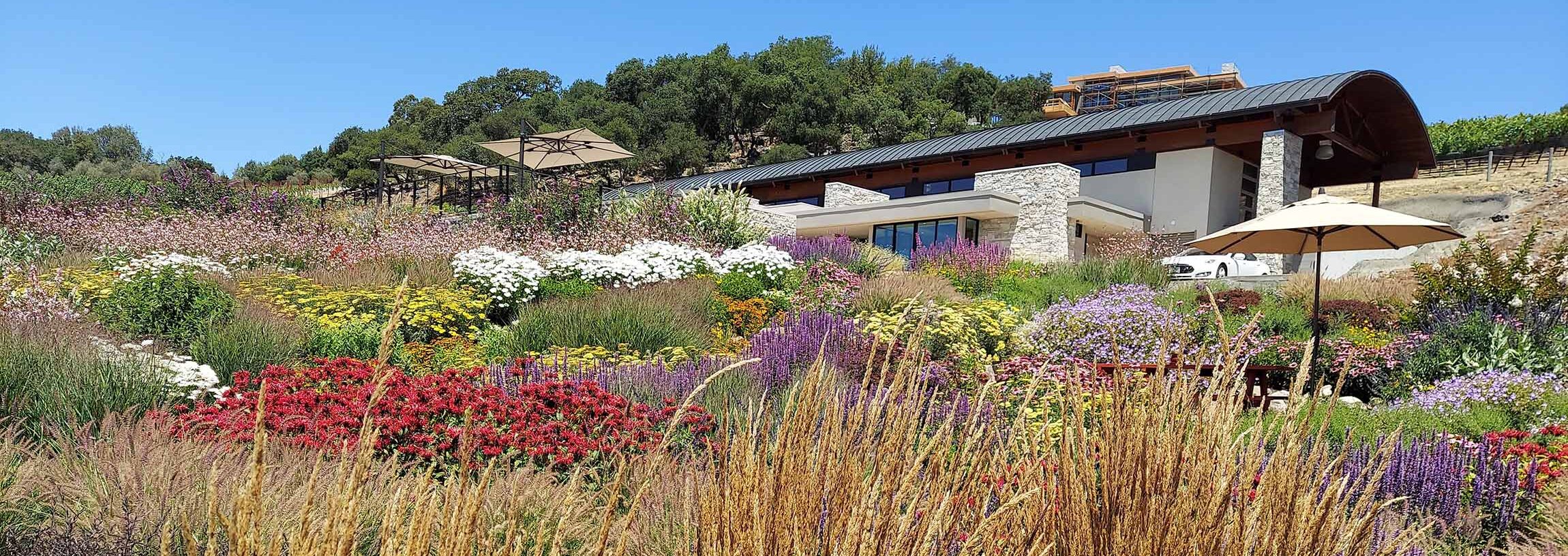
Instead of decorating with plants, you’re building a living system. Inspired Landscapes describes its work as creating outdoor environments that engage the senses through seasonal color, fragrant plantings, hardscape, and support for hummingbirds, butterflies, and local pollinators. That kind of layered thinking is exactly what makes a landscape feel more resilient and alive.
Maintenance Burden Gets Decided Early
This might be the most practical part of all.
When people say they want a sustainable landscape, they often mean they want something beautiful that won’t turn into a constant project. That’s a fair goal, and it should absolutely shape the design.
Long-term maintenance is influenced by choices like:
- plant spacing
- mature size
- lawn area
- irrigation layout
- pruning needs
- seasonal cleanup
- soil preparation
- mulch strategy
A landscape can look beautiful on installation day and still be unsustainable if it needs constant trimming, frequent replacements, overwatering, or ongoing irrigation repair.
Inspired Landscapes’ maintenance services reflect that long-view approach, with horticultural supervision, irrigation management, specialty pruning, seasonal planning, and organically based fertilization. Sustainability isn’t just about installation. It’s about what it takes to keep a landscape healthy over time.
The Takeaway
If you’re searching for landscape design companies near me in Healdsburg, it helps to look past the final photos and ask how those landscapes were designed in the first place.
Because sustainability starts with observation. With site analysis. With understanding sun, wind, drainage, plant communities, microclimates, and the real maintenance load a property will carry over time.
That’s what makes a landscape last.
FAQ
Why is site analysis important in sustainable landscape design?
It helps shape the design around real conditions like soil, slope, drainage, and sun exposure so the landscape performs better over time.
How does sun exposure affect a landscape?
Sun impacts plant health, soil moisture, irrigation demand, and how comfortable outdoor spaces feel throughout the day.
Why should drainage be considered early?
Poor drainage can lead to standing water, erosion, root issues, and hardscape damage, all of which are easier to prevent during design.
What are plant communities in landscape design?
Plant communities are groupings of plants with similar water, light, and maintenance needs, creating a healthier and more cohesive landscape.
How does sustainable design reduce maintenance?
It lowers long-term upkeep by improving plant placement, irrigation efficiency, spacing, and overall site function.
Ready to Design a Landscape That Lasts?
Whether you’re planning a home garden, commercial frontage, or full property renovation, Inspired Landscapes can help you create a landscape that fits your site, conserves resources, and stays beautiful over time. Reach out today to start the conversation.
📞 Call: (707) 395-7474

Owner, Inspired Landscapes LLC
Matthew Ripley is the owner of Inspired Landscapes LLC, a Healdsburg based landscape design, installation, maintenance, and irrigation firm serving Sonoma County. His work blends horticultural expertise with sustainable practices, drawing creative influence from Sierra backpacking and Sonoma winery estates to craft gardens that invite wildlife and year round color. Client testimonials highlight his design leadership on residential, estate, and winery properties across the region.